Share this post
Bridging Cultures Through Service and Storytelling
A decade of volunteerism, a lifelong connection to Chinese culture, and the legacy behind When Friends Come from Afar with Susan Blumberg Kason.
Volunteering & Support
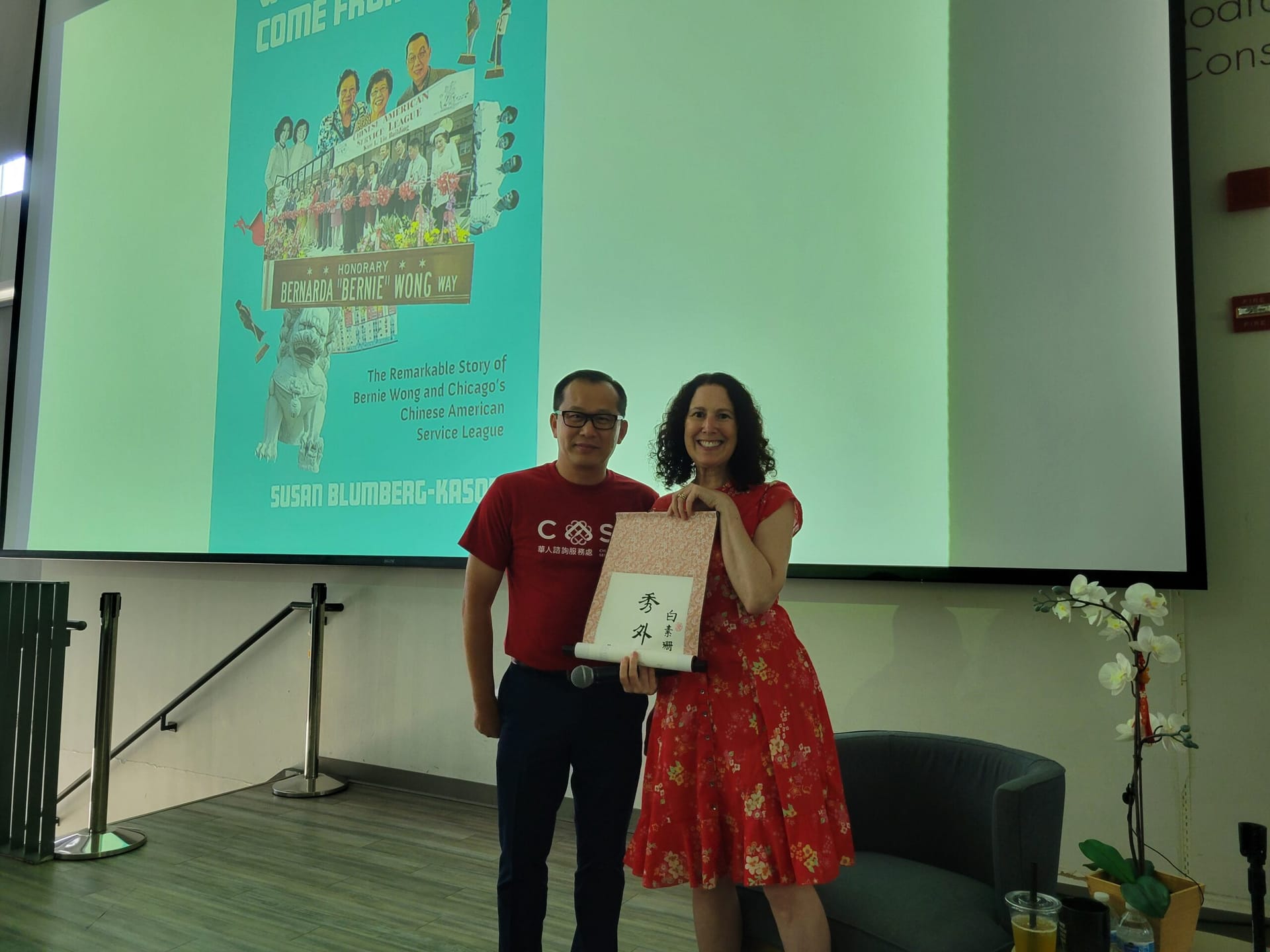
 For the past ten years, Susan Blumberg-Kason has dedicated her time and talents to CASL, weaving together her passion for Chinese culture, community service and storytelling. Inspired by early connections with her father’s Chinese students in Chicago, her journey led her to study Mandarin, immerse herself in Chinese culture and ultimately document CASL’s remarkable history in her book, When Friends Come from Afar. Her work reflects the profound impact of cultural exchange and volunteerism.
In this Q&A, she shares how CASL has shaped her life, her family and her understanding of community.
Can you share a little bit about your background and how Chinese culture became first important in life?
My dad was a professor at DePaul University, and in the early 80s, he started teaching students from China. This was shortly after the US and China restored diplomatic relations and these students were women who were moms and were master’s degree students. They and their families would come to our house for holidays and we would go to their homes..
These students became my big sisters. They were so influential in my teenage years, and I’m still in touch with them today. I’ve even run into one of them at the dragon boat race at Ping Tom Park. But back when I was still in high school, they made me want to learn Mandarin and to sign up for a school trip to China which led me to study abroad in Hong Kong when I was in college.
How did you first hear about CASL, and what drew you to it?
I returned to Hong Kong after college and enrolled in graduate school, where I soon I married another grad student from central China. We had a son once we moved to San Francisco in the late 1990s but divorced a couple years after that. I returned to Chicago with my son, Jake, and wanted him to stay connected to Chinese culture and to keep the Mandarin he had heard during his first two years.

I met other moms at a park in South Loop who told me about weekend Mandarin classes. At first Jake and I went to a parent-tot group in Beverly, but once he aged out of that, I wanted to find a class for school-aged kids. As luck would have it, one of the moms in the group told me about CASL, which happened to be right when CASL moved into the Kam Liu Building!
Jake and the other kids in the class really loved it because the teachers made it fun. After class, we’d go to Chinatown Square to have lunch at Saint Anna’s Café, which at the time was owned by CASL culinary program alums! Of course, I didn’t know this part of the CASL story back then.
What role has CASL played in your life?
Jake continued with Mandarin and ended up minoring in Chinese in college and studying abroad in Shanghai his junior year. He made sure he did a full year so he could experience as many holidays as possible and do more language immersion. If he hadn’t had that foundation at CASL, I don’t think he would have continued in that direction. It really changed his life.
I have two children from my second marriage, and they and Jake have spent many hours volunteering with seniors in CASL’s adult day service. We’ve gone on field trips to the Garfield Park Conservatory, arranged arts and crafts activities, and added more energy to my weekly English conversation class!
My new husband of twenty years is a cardiologist, and I had him come to the adult day service program to give lectures on heart health, cholesterol and blood pressure. The seniors were shy at first, but most of them had seen a cardiologist and had many questions, mostly to reassure themselves that they were on the right course for blood pressure management, etce. It was a rewarding experience for my husband, and he felt like he really did something just by answering questions.
When did you realize CASL’s history might become the subject of a book?
One day, in 2018, I was at the adult day service program, and one of the staff told me that Paul Luu wanted to see me in his office. It felt like getting sent to the principal’s office! I’m just joking but was very curious about this request. Paul told me that a mutual friend mentioned to him that I volunteer at CASL and that I had written a memoir about my first marriage. Paul had started reading it and asked if I could write an internal history of CASL that could be used for board retreats and given away at the next gala.

I happily agreed and started talking to all the founders, former staff members, and past clients. As I was listening to these stories and writing them down, I started to think that CASL’s history was more than an internal document. This was a story people should know. It’s a Chicago story. It’s a U.S. story. It’s a Hong Kong story.
This was around the time that Bernie Wong’s cancer had come back and she really wanted CASL’s story to be recorded. I would meet monthly with Bernie’s daughter, Jacinta, Esther Wong, and members of the CASL communications team. So, in one of our Zoom meetings, I said, “I think we should make this a book and get a traditional publisher.” I pitched an editor at the University of Illinois Press, who passed it on to another editor. She said, “This is exactly what we want – a little slice of Chicago history”.
How did writing When Friends Come from Afar influence the way you think about community service and legacy?

The research showed me that planning is sometimes really difficult and needs in the community often come without warning. CASL was there to provide services whether or not they had the money or staff. The way they evolved opened my mind about how social service agencies work.
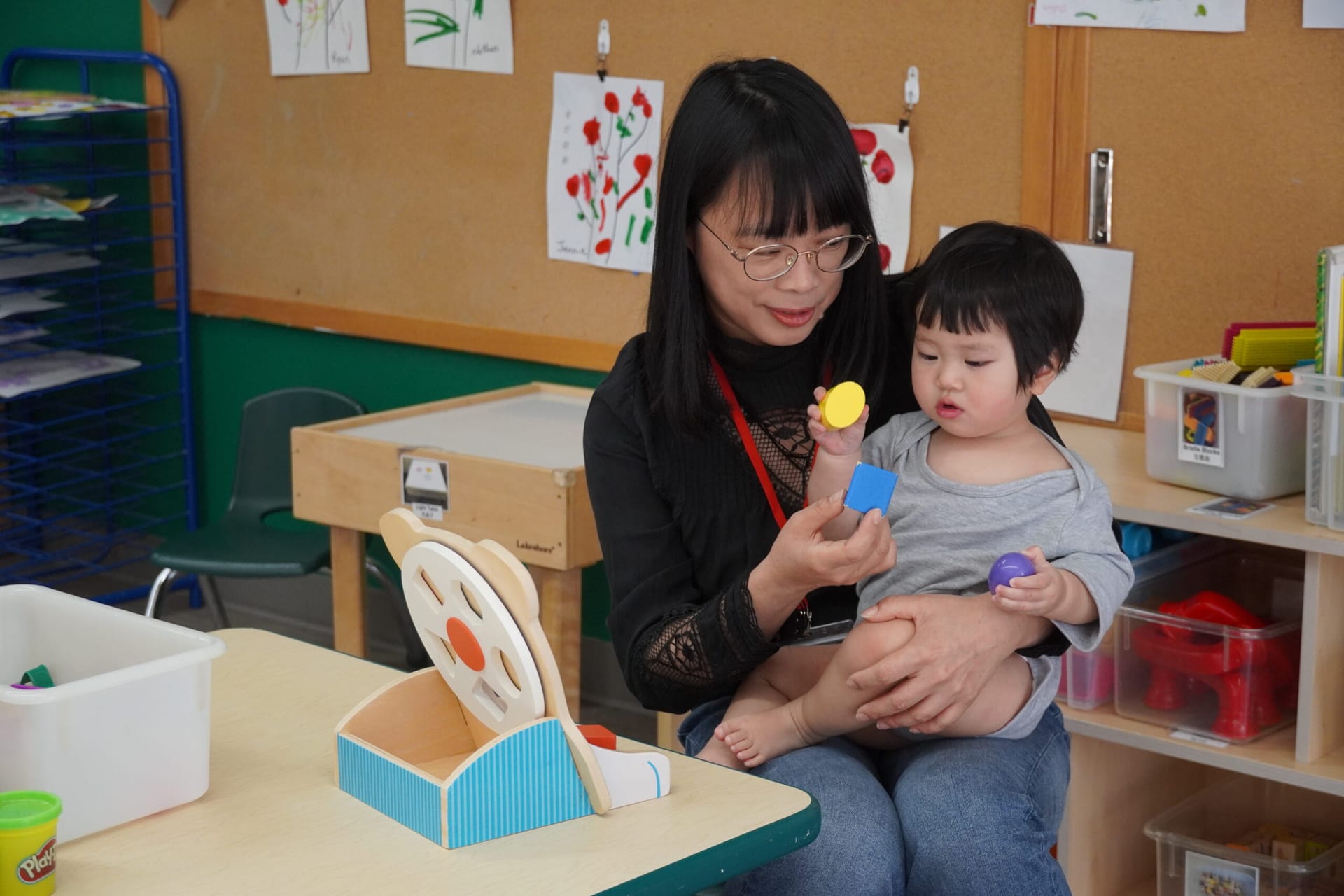
For example, Bernie saw that children in Chinatown were being sent back to China to live with grandparents because there was no full-day daycare here, so she had CASL start a daycare program that became an accredited early childhood education preschool that worked with Head Start. CASL is really special because it didn’t set out to do most of what it ended up doing.
Why does CASL continue to matter to you today, and what motivates you to give back?

It’s the seniors. When I started volunteering 10 years ago, I was given the option of working in the early childhood program or with seniors. I have three kids and decided I wanted a change, so picked the seniors! Now a decade later, I. have a weekly Zoom class with them, and I donate all my proceeds from the book to the Pine Tree Senior Council, because that organization meant so much to Bernie and Esther. The Council is fully funded by the seniors themselves, and they are the ones who keep me involved. I love them.